

Giving your bearded dragon a bath can be a fun activity and helpful in their care routine. From juvenile to adult stages, a bearded dragon bath supports hydration, cleanliness, and overall well-being. In fact, regular bathing can help prevent issues related to poor hygiene, dehydration and help trigger bowel movements.
This guide will walk you through everything you need to know to make bath time enjoyable and beneficial for your bearded dragon.
Read more…
5 Reasons for a Bearded Dragon Bath
A regular bearded dragon bath offers several health benefits, helping to keep your pet in tip-top shape:
- Helps with shedding: If your bearded dragon struggles with shedding, a warm bath can soften the old skin, making it easier for them to shed naturally without discomfort.
- Helps Them Poop: Sometimes, bearded dragons can get a little constipated. A bath often stimulates bowel movements, helping them go to the bathroom and feel better.
- Encourages Them to Drink Water: Some bearded dragons don’t drink from their water bowl often. A bath is a great way to encourage them to drink, keeping them hydrated.
- Cleans Off Dirt and Bacteria: Regular baths help wash away dirt, food particles, and bacteria that can build up on their skin, keeping them healthy.
- Keeps Them Comfortable: A warm bath helps your bearded dragon regulate their body temperature, especially if they’ve gotten too cold or need a little extra warmth.
7 Things You Need to Know to Bath a Bearded Dragon
Here’s a checklist of what you need for a safe and effective bearded dragon bath:
- A shallow container: Make sure it’s easy to clean and large enough for your bearded dragon to move comfortably. It is best not to use your sink or to pop your bearded dragon in bathtub to prevent risks with zoonotic disease.
- A floating object to rest on: When putting your bearded dragon in a bath pop a rock in to give it a place to rest if it feels the need. Giving it an object to rest on can help alleviate stress as well.
- Thermometer to check the temperature: Since bearded dragons are ectotherms, they rely on external warmth to regulate their body temperature. Make sure to use a thermometer to keep the water at a comfortable temperature for them. If the water starts to cool down, you can either refill it with warm water or end the bath to avoid making them uncomfortable.
- Soft brush can be soothing and remove shed: A smooth toothbrush works well to gently clean your bearded dragon’s skin, especially during shedding. Some bearded dragons love being lightly rubbed with a brush such as a nail or tooth brush.
- No soap needed to bath a bearded dragon!: Avoid using any soap or detergent as it can irritate your bearded dragon’s skin.
- Signs of stress in the bath: If your bearded dragon hates being bathed, it’s okay to stop and only bath them if necessary for health reasons where there aren’t alternatives (e.g. constipiation may be one). If a bearded dragon bath creates stress, stop. There is no need to bath if they are unhappy. Try misting instead.
- A bearded dragon in a bath is likely to drink: To clear up a myth, bearded dragons cannot drink through the vent they get their fluids directly through food and water. So, if your bearded dragon pooped in the bath then the bath should be ended, it may drink the water!
How Often Should I Bath My Bearded Dragon
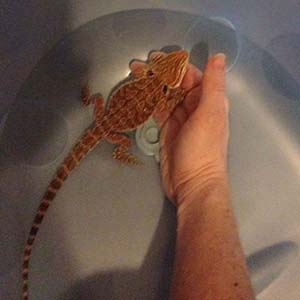
A regular bearded dragon bath can be an important part of their care. For most bearded dragons, bathing once a week is enough to help with hydration, shedding and perhaps bowel movements if there is an issue. Here’s a general guide:
- How often to bath a bearded dragon: 1-2 times per week, depending on how much your bearded dragon enjoys it. If they dislike baths, try misting instead.
- How long to bath a bearded dragon: 15 minutes is sufficient time to bath a bearded dragon for general care.
Ideal Water Temperature and Depth for a Bearded Dragon Bath
A bearded dragon in a bath needs to feel safe and comfortable. The water temperature and depth are key:
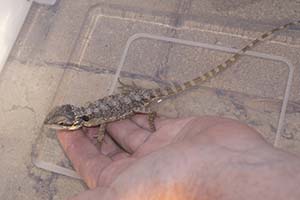
- Bearded dragon bath temperature: Aim for the bath temperature to be lukewarm, which according to Mosby’s Medical Dictionary, is between 90-96ºF (32-36ºC). This is similar to their natural basking temperature of 36-40°C (98-105°F).
- Bath depth should be shallow: Keep the water shallow—no higher than their joints—to avoid accidental drowning.
Always use a thermometer to check and adjust the water temperature as needed.
After the bearded dragon bath gently pat down with a towel to remove excess moisture.
If the environmental temperature is cold (e.g. its winter) pop them back in a warm environment to prevent getting cold.
Bearded Dragon Bath Guide: Step-by-Step
Here’s a simple, step-by-step guide to help you give your bearded dragon a bath:
- Preparation: Gather your supplies, including a shallow container, lukewarm water, a soft brush, and a towel.
- Fill the bath with lukewarm water to the height of your bearded dragons joints: Fill the container with lukewarm water, ensuring the depth is shallow enough for your bearded dragon to stand comfortably.
- Gentle Immersion: Gently place your bearded dragon in the water and allow them to paddle around if they like. Keep their rock or object for rest close to them.
- Cleaning your bearded dragon in bath: Use a soft brush to gently rub their back and sides. For the reptile, the bath isn’t really about cleaning but about enjoyment.
- End the bath: Your bearded dragon can stay in the bath for about 15 minutes, or whatever time frame you prefer.
- Lightingly dry: Lightly dry with a towel or other cloth dedicated to your reptile.
- Pop back to warm enclosure: Once the bathing routine is over, pop them back in a warm enclosure.
Do Bearded Dragons Like Baths: 3 Techniques for Enjoyment and Reduce Stress
Do bearded dragons like baths? Not always. If your bearded dragon doesn’t seem to like baths, these tips can help make the experience more enjoyable:
- Start with lukewarm shallow water: Start with using shallow water that just covers their feet. Gradually increase the depth as they get more comfortable.
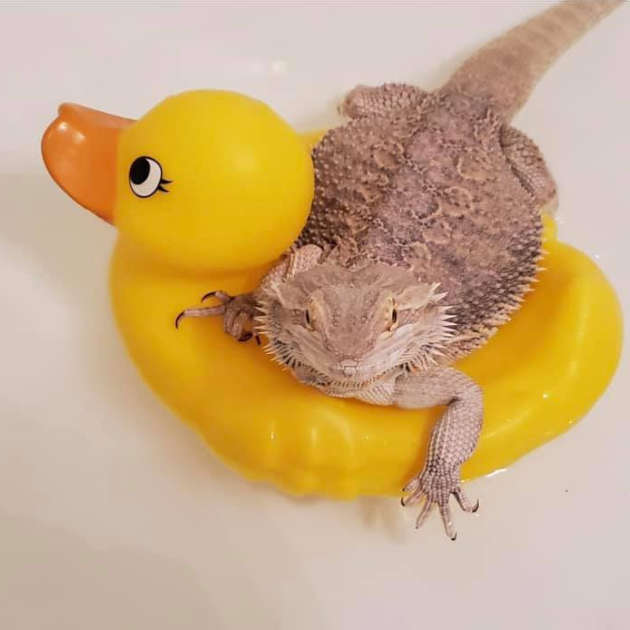
- Provide a bath toy and rock: Provide your bearded dragon a bath toy they can rest on, like a rubber duck. Also add a stable surface like a rock to give your reptile a place to rest.
- Soft scrubbing: A bearded dragon in a bath can hardly resist a gentle massage with a toothbrush, especially if they are shedding.
Bearded Dragon in Bath: Swimming or Scared?
If your bearded dragon doesn’t like bathes or you are just starting out with bathing then it is extra important to keep stress low. Bearded dragons aren’t natural swimmers, and deep water can make them anxious rather than relaxed.
Signs of stress to watch for include:
- Frantically scrambling toward the edge of the bathing area.
- Repeatedly trying to climb out of the bath.
To make sure your bearded dragon is comfortable in the bath:
- Add a bath toy or rock: Place something like a rock or toy in the bath, even a rubber duck. If your bearded dragon spends more time on the object than swimming, it might mean they’re more comfortable having something solid to hold onto.
- Body Inflation: Another sign your bearded dragon doesn’t like the bath is if it puffs up and inflates its body. While this can help them float, it may also be a sign that they’re feeling uneasy.
Remember, the most important thing is the well-being of your bearded dragon. Their behavior will tell you whether they’re enjoying the bath or need some adjustments to make them feel safer.
Poop in the Beard Dragons Bath!
It’s completely normal for your bearded dragon to poop during a bath. In fact, a bearded dragon bath often stimulates bowel movements, which can help with digestion.
When this happens, act quickly:
- Remove the poop immediately: Either end the bath or clean the water right away to prevent contamination.
- Avoid letting them soak in dirty water: Fecal matter in the bath water can expose your bearded dragon to harmful bacteria and parasites, so quick cleanup is important.
How to Clean Up After a Bath Poop:
- Drain the bath water as soon as possible.
- Use disinfectant to clean the bath container.
- Make sure there are no leftover chemicals that could harm your bearded dragon the next time they have a bath.
By keeping their bath clean and bacteria-free, you can ensure your bearded dragon enjoys a healthy and safe bath time!
Bearded Dragon in Bath Outdoors
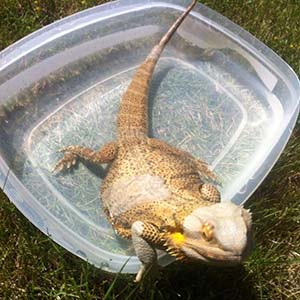
A bearded dragon in a bath outdoors on a sunny day can be enjoyable and beneficial. Just as with bathing indoors the water temperature matters. Cold tap water is not suitable for a bearded dragon bath.
Bearded Dragons World Community
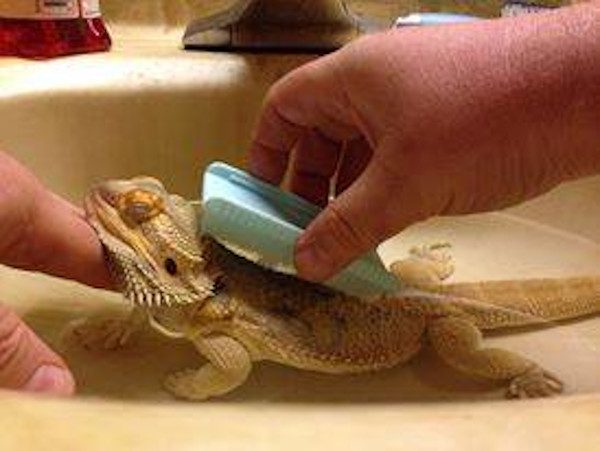
Tango gets pampered in his bath. Robin
Robin
I used to use a toothbrush, but someone threw it out, so I found this very soft infant hairbrush and Tango loves it. The pleasure in his eyes as he squints them shut with each stroke is almost embarrassing. I love this lizard.Lora
Looks like a beardie spa.Alison
Wow he’s loving thatPatrick
That looks like a back scratcherAnna
Now that’s a happy dragon.Robin
I had to hold his head up with my left hand because the infant brush I was using on him was putting him to sleep. He’s a precious boy.Dani
That’s just adorable! Tango is so relaxed❤️
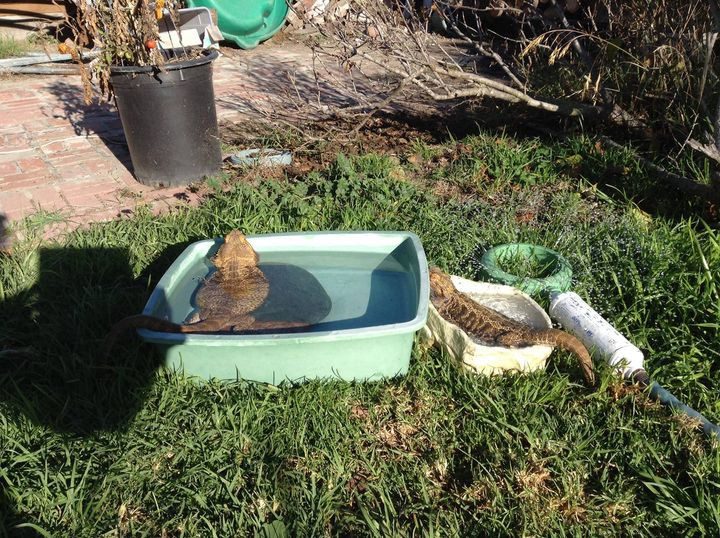
Getting some late afternoon basking in a warm bath. Dani
Nikki
They don’t try to run awayAaron-Danielle
I can not wait for summer to come around. We have a very short one here in Alaska, but I get my babies out every chance I get 🙂Jane
I miss the nice weather. It’s SO cold where I live. I love taking the girls outside on their leads and sitting in the sun with them and a book. Instead it’s snow snow snow!
Wrapping Up: Making the Most of Bearded Dragon Bath Time
A bearded dragon bath isn’t just about keeping them clean—it can also be a great way to hydrate them and give them some stress relief. However, not all bearded dragons feel the same about bath time. Some may enjoy splashing around, while others might need a bit more coaxing to get comfortable. The key is to stay patient and always focus on what makes them feel safe and relaxed.
By preparing ahead, paying attention to how your bearded dragon reacts, and keeping their environment clean and warm, bath time can turn into a fun and easy routine that strengthens your connection with your pet. Every bath can be a small step toward keeping them happy and healthy.
FAQs
Do bearded dragons need baths?
No bearded dragons do not need baths. Some do not like bathing and others do. If your bearded dragon doesn’t like baths, try misting.
What is a safe soap for my bearded dragon?
There is no need to use soap when bathing bearded dragons. If you prefer to use soap to bath your bearded dragon use:
Mild and chemical-free: Opt for reptile-friendly soaps or cleansers.
Natural Options: Rinse with plain water is often sufficient.
How long should I bath my bearded dragon for?
The appropriate length of bath time can play a vital role in the well-being of a bearded dragon.
Short and Sweet: Up to 30 minutes unless there are underlying concerns such as constipation which may require further support.
Watchfulness: Observe your bearded dragon for signs of stress or enjoyment.
References
Mosby’s Medical Dictionary: 11th edition | Mosby | ISBN: 9780323639156. (n.d.). Elsevier Australia Bookstore. Retrieved January 21, 2024.


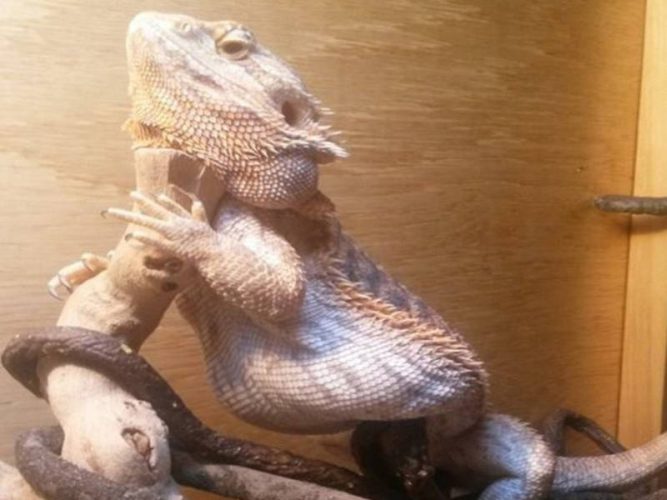





actually you should let them dry off before going in theyre terrarium if there is sand because i could irritate their bellys
That could be more comfortable if loose substrate is being used.