

The choice of substrate for bearded dragons has evolved significantly in recent years. While pet stores promote various substrate options, research offers clear guidance on the best loose substrate for bearded dragons and what actually supports our pets health and natural behaviors.
Best Substrate for Your Bearded Dragon: What Research Says Works
Substrate for a bearded dragon is more than just something for them to walk on. It’s where they eat, sleep, explore and poop. The wrong substrate for a bearded dragon can lead to serious health risks, such as:
- Impaction: Blockages in the digestive system caused by ingesting harmful substrates.
- Respiratory Issues: Fine particles or dust from certain substrates can irritate their lungs.
- Bacterial Infections: Moisture-retaining or poorly maintained substrates can harbor harmful pathogens.
Wild bearded dragons make use of all their habitat including sand, rocks, fallen branches, trees, grasses and even man made objects like fence posts and the roads. In the right sized enclosure, we can also provide a range of substrates and accessories that provide great natural stimulation and reduces the risks of any single substrate.
No Time to Read? Here is Substrate for Bearded Dragons in a Nutshell
I know you are busy, so in case you don’t have time to read all this information right now, here it is in a nutshell. What do researchers and vets really say about the best substrate for your bearded dragon? Let’s cut through the pet store marketing and look at what research shows works best for pets.
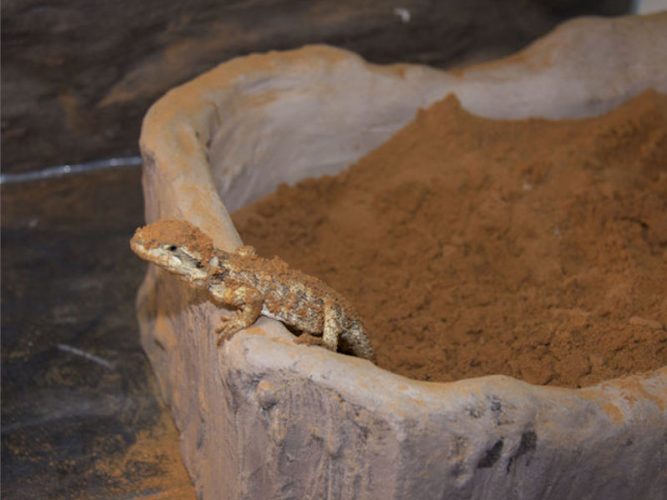
The best substrate for bearded dragons is ceramic or slate tiles paired with a dig box filled with washed play sand.
This combination balances hygiene, safety, and enrichment, making it suitable for all dragons, including juveniles and gravid females. Solid subtrates like tiles can be easily disinfected. Play sand for bearded dragons can be sanitized the same way as we do for wood.
Popular or Safe Substrates for Bearded Dragons
Here is a review of a list of substrates for bearded dragons that are popular or on the safer side of the spectrum.
| Substrate Type | Pros | Cons | References |
| Ceramic or Slate Tiles with a Dig Box | Durable, hygienic, and provides excellent traction. Naturally wears nails, reducing the need for trimming. Distributes heat well for basking. Pairing with a dig box supports natural behaviors, especially for gravid females. Easy to clean, saving time for pet interaction. | Can be slippery if improperly textured. | Baines (2017); Rossi (2006) |
| Reptile Carpet | Reusable and provides traction. Can be cleaned. | Requires frequent cleaning to prevent bacteria buildup. Can get smelly. Risk of nails getting caught and torn, causing pain or injury. | Rossi (2006); Johnson & Adwick (2018) |
| Bioactive Substrate | Mimics natural habitats with enrichment through soil, sand, and live plants. Encourages natural digging behaviors. Can be self-sustaining with proper care. | Complex to set up and maintain. Not beginner-friendly. | Wilkinson (2015); Rossi (2006) |
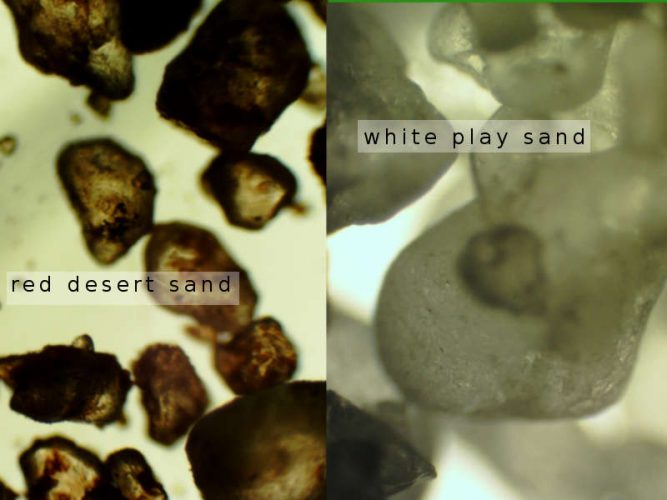
| Washed Play Sand (in a Dig Box) | Mimics natural habitats. Allows digging, supporting mental and physical health. | Must be confined to a dig box to minimize ingestion risks. Requires regular replacement to maintain hygiene. | Baines (2017) |
| Artificial Grass | Durable and easy to clean. Provides a natural look without loose particles. | Can get super-hot so not suitable in basking area. Can trap waste in fibers, requiring thorough cleaning. Needs to be securely fixed to prevent lifting. Frayed fibers can be ingested. | |
| Lino (Linoleum) | Affordable and easy to clean. Can mimic tiles with proper setup. | Could get very hot in basking area. Can be slippery if not textured. Less durable than tiles. | |
| Paper, Paper Towels, and Newspaper | Affordable and disposable. Easy to replace. | Does not provide traction or enrichment. Can tear easily, creating mess during feeding or activity. | |
| Shelf liner | Affordable and disposable. Easy to replace. | Does not provide traction or enrichment. Can tear easily, creating mess during feeding or activity. | |
| Leaves and Leaf Litter | Provides natural enrichment. Suitable for bioactive setups with proper maintenance. | Can harbor mold, pests, or pathogens if not sterilized. |

Gravid Females: Substrate Considerations
It is not uncommon for a new beardie parent to find out, some time later, that the boy they thought they had turned out to be a girl which was obvious when it laid eggs. Gender misidentification is surprisingly common. Did that make you think, “o shoot, wonder if mine is right”? Here is how to sex a bearded dragon.
If your bearded dragon turns out to be female then at some stage, she will become gravid (carrying eggs), even without mating. When that happens, having the right substrate becomes essential for her health.
Gravid females instinctively dig to create nests for laying eggs. Providing a suitable substrate supports this natural behavior and reduces the risk of:
- Egg Retention (Dystocia): Inadequate digging conditions can prevent successful egg-laying, leading to health complications.
- Stress Behaviors: Without proper substrate, females may exhibit restless digging on hard surfaces, causing unnecessary stress.
What to Avoid in Substrate for Bearded Dragons
There are several substrates that may seem okay on the surface, but actually pose risks. Here are substrates for bearded dragons that you should avoid:
| Substrate Type | Reason to Avoid | References |
| Corncob Bedding | Hygroscopic properties cause dehydration; ingestion often leads to gastrointestinal impaction. | O’Rourke & Lertpiriyapong (2015); Wilkinson (2015) |
| Calcium Sand | Forms solid clay-like lumps when moistened, causing significant impaction risks. | O’Rourke & Lertpiriyapong (2015); Doneley (2006); Rossi (2006); Wilkinson (2015); Baines (2017) |
| Builder’s Sand/Sharp Sand | Abrasive, causing skin and eye irritation. | Johnson & Adwick (2018); Baines (2017) |
| Walnut Shells | Sharp fragments cause internal injuries and impaction if ingested. | O’Rourke & Lertpiriyapong (2015); Rossi (2006); Wilkinson (2015); Baines (2017) |
| Kitty Litter | Causes respiratory issues and blockages due to fine particles if ingested. | O’Rourke & Lertpiriyapong (2015) |
| Loose Hardwood Chips | Can release toxic oils and pose a risk of ingestion and impaction. | O’Rourke & Lertpiriyapong (2015); Johnson & Adwick (2018); Baines (2017) |
| Wood Shavings (e.g., Cedar) | Contains aromatic compounds that irritate the respiratory system; ingestion poses a risk of impaction. | Care Exotic Journal (2006); Rossi (2006); Baines (2017) |
| Gravel or Small Stones | Risk of ingestion, leading to blockages and internal injuries. | Baines (2017) |
| Moist Wood Chips | Harbor bacteria and fungi if not ventilated properly. | Rossi (2006) |
| Coco Coir | Retains moisture, increasing bacterial growth; high impaction risk when ingested. | Johnson & Adwick (2018) |
| Grass Pellets | Decompose quickly when wet, leading to mold growth. | Johnson & Adwick (2018) |
Looking at the Different Categories of Substrate Toxicity
When we choose a substrate, its toxicity is a key factor. There are three categories of toxicity to consider:
- chemical toxicity,
- biological toxicity, and
- mechanical toxicity.
Chemical toxicity refers to harmful substances in the substrate that can irritate or harm our bearded dragons. These may include oils, chemicals, or compounds that leach into the environment or are ingested.
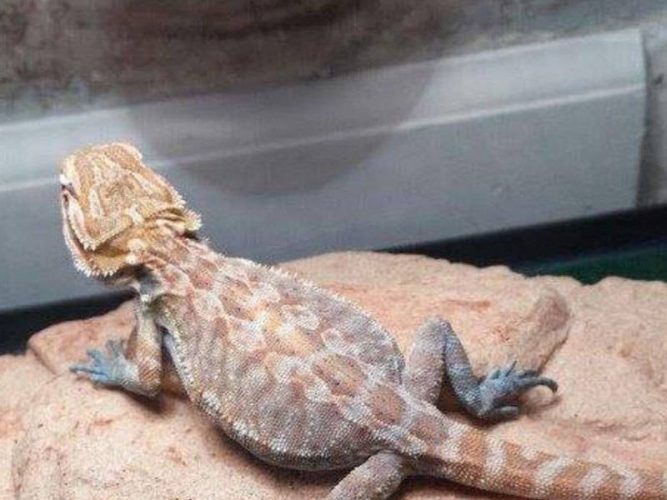
Biological toxicity is all about substrates that harbor bacteria, fungi, mold, or other pathogens which could be due to poor maintenance or simply because they have unsuitable properties. These pathogens can cause infections and other health problems.
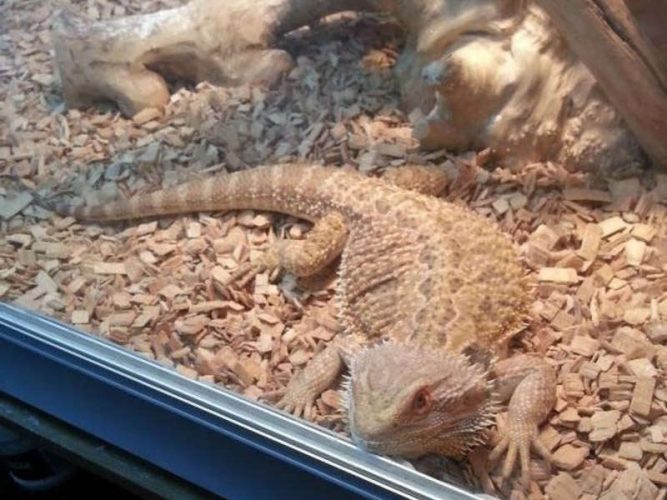
Mechanical toxicity is all about the physical properties of the substrate that pose risks, such as sharp edges, clumping, or ingestion of indigestible materials. This is where we hear about risks like impaction or blockages, but they can also cause internal injuries.
| Chemically Toxic Substrates | Biologically Toxic Substrates | Mechanically Toxic Substrates |
| Calcium Sand: Clumps in the digestive tract, creating blockages. | Coco Coir: Retains moisture, fostering bacterial and fungal growth. | Walnut Shells: Sharp fragments can puncture internal tissues. |
| Wood Shavings (e.g., Cedar): Contains aromatic phenols that irritate the respiratory system. | Moist Wood Chips: High moisture content creates an environment for harmful microbes. | Gravel or Small Stones: Risk of ingestion, leading to blockages or internal injuries. |
| Loose Hardwood Chips: Some woods release toxic oils when chewed or ingested. | Grass Pellets: Break down when wet, releasing mold and harmful toxins. | Kitty Litter: Fine particles can cause impaction and respiratory irritation. |
So how do we Figure out which Substrates are Safe for Bearded Dragons?
It can look a bit complicated, can’t it? Saved yah! Here is a downloadable cheat sheet on substrate options for our bearded dragons.
What we are Looking for when Figuring out which Substrate is Good or Bad
So there is that cheat sheet on substrates for bearded dragons but how was the evaluation made? Here are the criteria used to assess each and every substrate:
Hygiene and Maintenance
- Ease of Cleaning: Can the substrate be cleaned quickly and thoroughly? A “Yes” indicates low-effort maintenance, while a “No” suggests more time and effort are required.
- Pathogen Resistance: Does the substrate resist bacterial, fungal, and parasitic growth? A “Yes” means it’s less likely to harbor harmful microbes.
- Frequency of Replacement: How often does the substrate need to be fully replaced? A “Yes” means it lasts a long time with proper care, while a “No” indicates frequent replacement is necessary.
Safety
- Ingestion Risk: Is there a risk of the bearded dragon accidentally ingesting the substrate? A “Yes” means no risk, while a “No” suggests caution is needed.
- Potential for Injury: Could the substrate cause harm, such as sharp edges or fibers that can catch nails or strands of fiber that could be ingested? A “Yes” indicates safety, while a “No” signals potential hazards.
- Non-Toxicity: Are the materials safe if ingested or in contact with the dragon? A “Yes” confirms the substrate is non-toxic.
Environmental and Behavioral Support
- Supports Natural Behaviors: Does the substrate allow your dragon to dig, bask, or burrow naturally? A “Yes” means it supports these behaviors.
Health Impacts
- Respiratory Health: Does the substrate produce dust or fumes that might irritate your dragon’s respiratory system? A “Yes” indicates it’s safe for breathing.
- Skin Health: Does the substrate protect against abrasions or irritation? A “Yes” means it’s gentle on their skin.
- Digestive Health: Could the substrate cause impaction or other digestive issues if ingested? A “Yes” means there’s no risk.
Heat and Moisture Control
- Heat & Fire Safety: Stays at safe temperatures, avoiding burn risks to your dragon’s feet or belly.
- Moisture Regulation: Can the substrate manage humidity well without becoming too damp or drying out quickly? A “Yes” suggests it’s balanced.
Durability and Cost
- Durability: Does the substrate last a long time without wear or breakdown? A “Yes” means it’s durable.
Impaction, Respiratory Concerns, and Pathogen Growth: What the Science Says
You’ve probably seen it before—someone on a forum saying, “sand causes impaction!” or pointing fingers at another substrate. It’s a hot topic, and for good reason.
But here’s the thing: if sand were a guaranteed death sentence, we’d be seeing a lot more tragic stories. So, what else is going on?
Substrate Impaction in Bearded Dragons: What Studies Show
Impaction happens when something blocks your bearded dragon’s digestive tract, and yes, substrate can be a factor.
But impaction isn’t just about what’s on the floor of the enclosure. It’s usually tied to a mix of other factors, like dehydration, poor diet, or improper temperatures. Think of substrate as one piece of a bigger puzzle.
Primary Risk Factors for Impaction
The table below breaks down the biggest contributors to impaction and how they tie back to substrate and care.
| Risk Factor | Impact on Impaction | Reference |
| Substrate Particle Size | Fine particles like calcium sand can be accidentally ingested, clumping in the digestive tract. | Baines (2017) |
| Hydration Status | Dehydration compromises digestion, increasing the risk of blockages. | Baines (2017); Rossi (2006) |
| Underlying Health Issues | Conditions like gut stasis or metabolic bone disease can predispose dragons to impaction. | Rossi (2006) |
| Calcium Metabolism | Calcium deficiencies may lead to substrate ingestion (pica). | Baines (2017); Wilkinson (2015) |
Not all substrates are created equal. Some carry far greater risks than others when it comes to impaction. Here’s a quick look at the most problematic ones:
| Substrate | Impaction Risk | Reference |
| Calcium Sand | Clumps when moist, forming indigestible masses in the gut. | Baines (2017) |
| Walnut Shells | Sharp edges can cause internal damage, increasing the severity of impaction. | Baines (2017); Rossi (2006) |
| Fine Particles | Often consumed along with food items, especially during feeding. | Rossi (2006) |
Why Impaction Happens
According to Baines (2017), impaction is rarely just about substrate—it often points to underlying husbandry issues, such as:
- Inadequate Temperatures: Proper digestion relies on optimal basking temperatures to support gut motility.
- Nutritional Deficiencies: A lack of calcium or other key nutrients may cause substrate ingestion.
- Dehydration: Poor hydration slows digestion, increasing the likelihood of impaction.
Dusty Substrates: Respiratory Concerns & What Science Says
Substrate can also significantly impact respiratory health. Dust levels, particle size, and moisture retention all play a role in our bearded dragon’s respiratory health. Here’s what the research tells us and a breakdown of the key culprits:
| Factor | Respiratory Impact | Reference |
| Fine Particle Substrates | Increase respiratory stress due to inhalation of small particles during activity. | Wilkinson (2015) |
| Calcium Sand | Creates excessive dust, irritating the respiratory system. | Wilkinson (2015) |
| Wood Shavings | Release irritating particles, especially when heated. | Wilkinson (2015); Rossi (2006) |
Caption: Table: Substrate dust and respiratory risks in bearded dragons – Key Findings.
Sometimes, it’s not just the substrate itself but how everything goes together in the enclosure that can create respiratory issues. This is certainly one of your many important considerations when working out your bearded dragons house and habitat. Here’s a look at some of the most common environmental triggers:
| Condition | Effect on Respiratory Health | Reference |
| Substrate Moisture Levels | High moisture levels increase humidity, supporting mold and irritating respiratory systems. | Wilkinson (2015) |
| Poor Ventilation | Traps airborne particles, compounding respiratory stress. | Rossi (2006) |
| Particle Suspension | Animal movement stirs particles into the air, increasing exposure. | Wilkinson (2015) |
Caption: Table: Environmental factors influencing respiratory health in bearded dragons.
Pathogen Growth: What You Need to Know
So here is the thing with pathogens and substrates. Your choice of substrate can either minimize or encourage the growth of harmful bacteria, fungi, and parasites.
There are definitely some substrates that we want to avoid for these reasons. However, even with a substrate designed to manage these risks, proper cleaning and maintenance is needed or problems will still arise.
There are some conditions in our bearded dragon’s enclosure that create the perfect environment for pathogens to thrive. Here are the biggest causes:
| Condition | How It Promotes Pathogen Development | Reference |
| Moisture Retention | Supports bacterial and fungal growth by keeping the substrate damp. | Rossi (2006) |
| Poor Ventilation | Prevents drying, creating ideal conditions for microbial proliferation. | Rossi (2006) |
| Inadequate Cleaning | Organic matter accumulates, providing food for bacteria and fungi. | Wilkinson (2015) |
Here are some substrates for bearded dragon enclosures that can be problematic with pathogens, especially when maintenance isn’t up to par:
| Substrate | Pathogen Risk | Reference |
| Reptile Carpet | Bacterial colonies can develop in fibers if not cleaned thoroughly. | Rossi (2006) |
| Loose Substrates | Deeper layers can harbor bacteria and fungi if not regularly replaced. | Rossi (2006); Wilkinson (2015) |
| Wood Products | Damp wood supports fungal growth and molds. | Rossi (2006) |
You know what they say, Prevention is Better than Cure
Here are the strategies to manage the pathogen issue:
| Strategy | How It Helps | Reference |
| Regular Loose Substrate Replacement | Reduces organic matter accumulation, minimizing microbial growth. | Rossi (2006) |
| Proper Ventilation | Helps dry substrate and lowers humidity, discouraging pathogen growth. | Wilkinson (2015) |
| Appropriate Cleaning | Disinfecting and deep cleaning prevent bacterial and fungal proliferation. | Rossi (2006) |
| Temperature Monitoring | Maintains conditions that are less favorable for microbial development. | Wilkinson (2015) |

Common Mistakes to Avoid
- Trusting Misleading Marketing: Products like “calcium sand” and “walnut sand” are often marketed as safe but are discouraged by experts.
- Neglecting Regular Maintenance: Failure to clean or replace substrates leads to bacterial and fungal growth (Rossi, 2006).
We Come to the End of Another Article my Friend
Choosing the best substrate for bearded dragons is about balancing safety, hygiene, and comfort. The combination of tiles with a sand dig box provides the best of both worlds, supporting natural behaviors while minimizing health risks. Have you tried this setup? Let us know in the comments.
FAQs
What’s the best substrate for a bearded dragon?
The best substrate for bearded dragons overall is ceramic or slate tiles combined with a sand dig box. This setup balances hygiene, safety, and enrichment.
Is sand safe for bearded dragons?
Washed play sand can be safe when used in dig boxes. Ensure proper cleaning and pair with solid surfaces for a balanced habitat.
Can I use calcium sand for my bearded dragon?
No, calcium sand is not safe and has been linked to impaction and other health issues.
References and Further Reading
- Baines, F. (MRCVS) (2017) Your First Bearded Dragon Care Information.
- Doneley, B. (2006). Caring for the Bearded Dragon. North American Veterinary Conference, 1607-1611.
- Johnson, R., & Adwick, M. (2018). Central Bearded Dragons: Companion Animal Care and Welfare.
- O’Rourke, D. P., & Lertpiriyapong, K. (2015). Biology and Diseases of Reptiles. Laboratory Animal Medicine, 967–1013.
- Rossi, J. V. (2006) General husbandry and management. In: Mader DR, editor. Reptile medicine and surgery. St Louis: Saunders. p. 25–41.
- Wilkinson, S. L. (May, 2015) Reptile Wellness Management. Veterinary Clinics of North America: Exotic Animal Practice. Vol 18 (2): 281-304


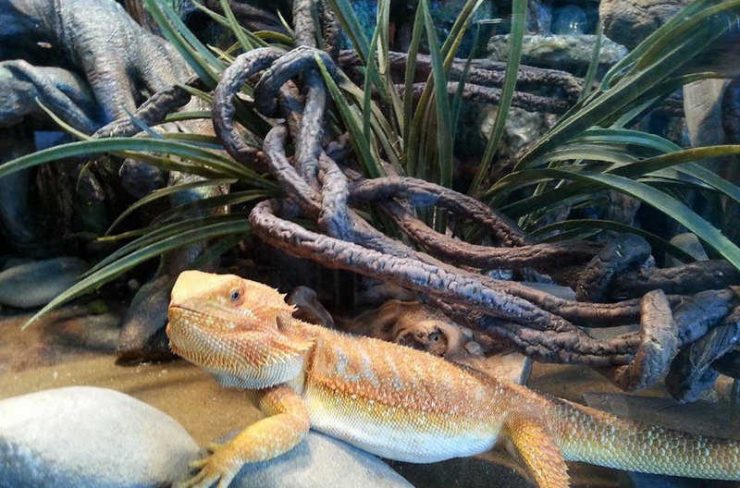



I’d like to know where I can get that dig box Sucru has, pretty cool looking hollowed out tree stump
A sand box can be something as simple as a cat litter tray (not with cat litter of course) or you could buy one for the purpose from a pet shop.
I like the idea of the sand boxes. Walnut sand, cob and all those ridiculously harmful substrates … I get it that manufacturers and pet shops sell anything regardless, they are a business to make money. But isn’t it dreadful that they are being bought!