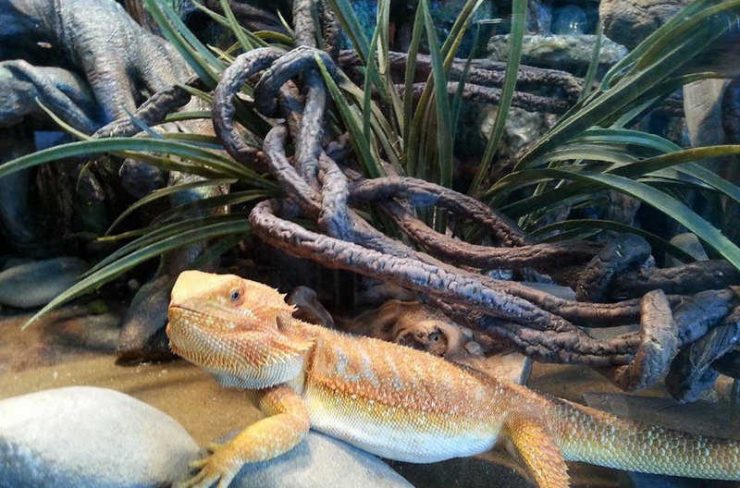
Ever wondered why your bearded dragon goes into “pancake mode” when sunlight hits their enclosure? Or why they seem more active on those sunny days when you bring them outside? Turns out, there’s fascinating science behind your beardie’s sun-seeking behavior – and creating a bearded dragon outdoor cage might be exactly what they need.
Can Your Bearded Dragon Really Live Outside?
Yes, bearded dragons like being outside in the sun and here’s where it gets interesting: research shows that bearded dragons thrive with natural sunlight exposure (Johnson & Adwick, 2018). But there’s a catch – you can’t just pop them in any outdoor enclosure and call it a day. A proper bearded dragon outdoor cage needs careful planning.
The good news? Even just a few hours of natural sunlight each week, combined with their indoor UVB setup, can make a world of difference in preventing issues like metabolic bone disease.
Pro tip: Monitor your beardie’s behavior during their first few outdoor sessions. If they’re basking happily and moving between sun and shade, you’re on the right track!
Ideas for the Perfect Outdoor Setup
Ever stood in front of different enclosure options feeling completely overwhelmed? I’ve been there! Let’s break down some options for an outdoor bearded dragon cage:
1. Aviary Conversions
- Perfect for: Climbers and active beardies
- Pros: Excellent ventilation, lots of vertical space
- Cons: Needs extra weather-proofing
2. Rabbit Hutch Adaptations
- Perfect for: Lazing on a rock
- Pros: Ready-made, weather-resistant
- Cons: Limited vertical space
Pro tip: Whatever style you choose, ensure the mesh is fine enough to keep both your beardie in and predators out!

3. Chook Pens (Chicken Coops)
- Perfect for: Climbers and active beardies
- Pros: Spacious, built-in shelter areas
- Cons: May need additional predator-proofing
Here’s the thing about chicken coops – they’re actually brilliant for bearded dragon outdoor cages. Think about it: you get both sunny spots for basking and covered areas for shelter, all in one package. Just remember to secure those openings with appropriate mesh!
4. Dog Kennels with Runs
- Perfect for: Climbers and active beardies
- Pros: Built-in shelter, lots of ground space
- Cons: Usually needs to be wrapped in smaller wire for reinforcement
Pro tip: When converting a dog kennel run into a bearded dragon outdoor cage, add plenty of climbing branches. Your beardie will love having different levels to explore!
5. Custom Built Pit Enclosures
- Perfect for: Natural habitat enthusiasts
- Pros: Most natural environment possible
- Cons: Permanent installation, more complex setup
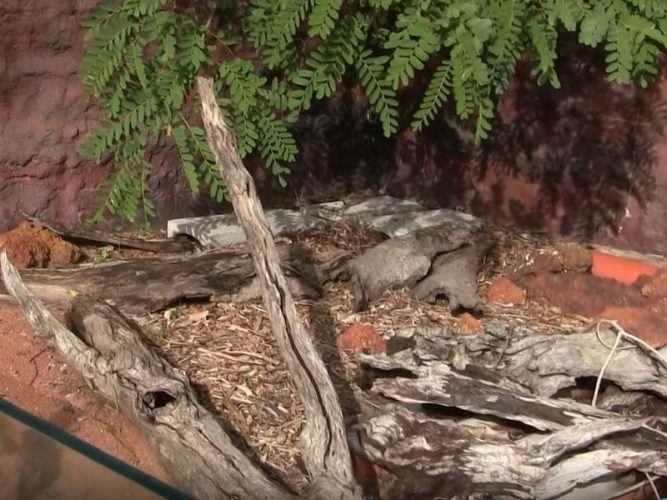
Want to know something cool? Cannon (2003) actually recommends pit enclosures for the most natural habitat experience. Think of it as creating your own little slice of Australian outback! Just make sure those walls are escape-proof – our beardies can be surprisingly good climbers when they want to be.
Pro tip: Whatever style you choose, ensure the mesh is fine enough to keep both your beardie in and predators out!
Size Matters: How Big Should Your Outdoor Cage Be?
Let’s talk numbers. According to Cannon (2003), your outdoor bearded dragon cage should be at minimum:
- Width: 5 feet (1.5 meters)
- Depth: 2 feet (0.6 meters)
- Height: 3.3 feet (1 meter)
But here’s the thing – these are just minimums. When it comes to outdoor spaces, you probably have more room so go bigger and go higher, using that vertical space as well.
Think about it: in the wild, these little guys roam vast territories. You can check out how far they roam in the post on wild bearded dragons. The more space you can provide in your bearded dragon outdoor cage, the more natural behaviors they can express.
Making It Safe: The Security Checklist
Here’s your essential security checklist for any outdoor bearded dragon cage:
| Predator-Proof Mesh | Dig-Proof Base |
| Must be metal (plastic can tear) | Solid concrete or wire mesh bottom |
| Small enough gaps to prevent escape | No gaps at edges |
| Strong enough to resist pressure | Regular inspection for wear |
Pro tip: Test your cage security by trying to push the mesh in various spots – if it gives at all, reinforce it!
Temperature and Placement: Getting the Sweet Spot Just Right
Can you keep your bearded dragon outside in summer? Yes, your bearded dragon can live outside in summer as long as it has protection from the weather, access to shade and sun and it doesn’t get too hot or too cold. Some Australians will keep their bearded dragons outside all year round, but it really will depend on the climate.
| Basking Zone (Sunshine): | Cool Zone (Shade Retreat): |
| Ideal temp: 104°F (40°C) | Ideal temp: 77°F (25°C) |
| Alternative option: 95°F (35°C) (Johnson & Adwick, 2018) | Minimum temp: 71°F (22°C) |
| Purpose: Digestion and vitamin processing | Purpose: Temperature regulation and cooling off |
The placement of your outdoor bearded dragon cage will make all the difference to achieving the temperatures. Look for spots that get morning sun but afternoon shade – think of it as creating a natural temperature gradient.
You might not be able to achieve these temperatures exactly. Even a cooler temperature with the sun out will be beneficial for short periods of time. As long as its not too cold.
If it’s too hot or cold, you may need to bring your bearded dragon indoors or add extra protection like heat lamps or temporary covers to keep your dragon safe and comfortable (Johnson & Adwick, 2018).
Pro tip: Your beardie will tell you if the temps are right – they’ll move between zones throughout the day like a natural thermostat!
Seasonal Considerations: When to Bring Them In
Let’s be real – weather can be unpredictable. Here’s when your beardie needs to come inside:
- Temperatures below their cool zone temps (around 71°F or 22°C)
- Heavy rain, strong winds, well before it snows
- Extreme heat waves
- During brumation season
Location, Location, Location!
Think of your outdoor bearded dragon cage placement like prime real estate. Here’s what you’re looking for:
| Morning Schedule: | Afternoon Requirements: |
| Early sun exposure (Think: morning coffee for your beardie!) | Partial to full shade in the middle of the day |
| Natural warmup period | Protection from intense heat |
| Gradual temperature increase | Cooler retreat options |
Pro tip: Got a mobile cage? Even better! You can follow the perfect sun/shade combo throughout the day.
The UVB Factor: Nature’s Health Boost
Did you know that natural sunlight is like a superfood for beardies? But as Cannon (2003) points out, there’s a catch – we need to manage it carefully:
| Essential UVB Facts: | Your Weekly Sun Goals: |
| Stronger in morning hours | Several hours of direct sunlight |
| Weakens with distance | Constant access to shade and shelter |
| Filtered by mesh and covers, the tighter the mesh or more solid the cover, the worse it is for UVB | Regular movement opportunities |
Pro tip: Watch your beardie’s behavior – if they’re constantly hiding from the sun, your outdoor bearded dragon cage might need more shade options!
Creating the Perfect Outdoor Beardie Paradise: All About Accessories
There’s something wonderful and natural about watching your bearded dragon engage in natural behaviors! You know like climbing, basking and exploring. Here’s how to make your bearded dragon outdoor cage an enriching habitat they’ll absolutely love.
Here’s where science meets nature – Johnson & Adwick (2018) found that bearded dragons are living their best life when they can perform their natural behaviors. To do that, they just need the right space with the right accessories:
1. Climbing Elements:
- Sturdy branches (secured against movement)
- Rough-textured rocks (great for nail maintenance!)
- Secure ramps at different angles
- Vines (properly anchored)
- Elevated platforms
Pro tip: Position climbing elements so your beardie can create their own temperature gradient by moving up or down.
2. Water and Food Stations: Strategic Placement is Key
We know that dehydration is a serious concern for bearded dragons (Wright, 2008), so let’s get this right. Of course your bearded dragon doesn’t need to eat outside, but it will always need water. Here are some tips:
| Water Station Must-Haves: | Food Station Requirements: |
| Shallow, stable dishes | Shaded location |
| Shaded location to prevent evaporation | Protected from wind |
| Easy access from multiple areas | Easy to clean surface |
| Regular cleaning schedule | Separate from water area |
| Backup water sources | Away from bathroom spots |
| If the water source can drip, they are more likely to drink it than still water |
Pro tip: Consider using heavy ceramic dishes that won’t tip over when your beardie gets excited about mealtime or the wind blows!
3. Substrate Solutions: The Ground Game
Your outdoor bearded dragon cage might already have the perfect floor, but if not, here’s some tips:
| Natural Ground Options: | Artificial Substrate Choices: | Limited Sand Areas: |
| Existing grass (great for enrichment!) | Large flat tiles (easy to clean) | Small digging spots preferably in a container |
| Flat rocks |
4. Shelter and Protection: Creating Safe Spaces
Remember, your outdoor bearded dragon cage needs multiple retreat options:
| Weather Protection: | Comfort Features: |
| Rain shields | Different height levels |
| Wind breaks | Various temperature zones |
| Sun shields for extreme heat | Mix of open and enclosed spaces |
| Multiple hiding spots |
Pro tip: Create at least three different hiding spots in your outdoor bearded dragon cage – beardies love options!
Are you already setup? Share your setup successes in the comments below!
Making It Comfy: The Perfect Setup
Remember how I mentioned bearded dragons are natural climbers? Here’s what your outdoor setup needs:
| Climbing Structures | Shelter Options |
| Sturdy branches | Multiple hiding spots |
| Flat rocks | Rain protection |
| Secure ramps | Wind breaks |
Pro tip: Create different levels in your outdoor bearded dragon cage – beardies love to survey their kingdom from up high!
Designing Your Outdoor Bearded Dragon Paradise: Safety First!
Predator-Proofing: Our Top Priority
Here’s the thing about outdoor enclosures, we need to keep the bad guys out. Bearded dragons are vulnerable to predators like birds, cats, and other animals, so predator-proofing has to be our first priority (Johnson & Adwick, 2018).
1. Predator-proofing checklist:
- Strong metal mesh
- Small mesh openings
- Locks on all doors
- UV-transparent materials
Pro tip: Test your mesh strength regularly – if you can push it in with your finger, it’s not strong enough for determined predators!
2. Escape Artists: Keeping Our Beardies Safe
Think your beardie isn’t an escape artist? Probably just hasn’t had the right motivation yet if it hasn’t tried. These clever reptiles have two favorite escape routes:
- Over the top (They’re better climbers than you’d expect!)
- Under the fence (Those little claws can dig!)
For your bearded dragon outdoor cage base, you’ve got a few solid options:
- Wire mesh base (Make sure it’s rust-resistant)
- Concrete foundation (The Fort Knox approach)
- Concrete slabs
- Some flat rocks over the ground
- Thick lawn
3. Material Matters: Making Smart Choices
Here are some great options for building that perfect outdoor bearded dragon cage:
3.1. Metal Frames
| Metal Frames | Wood |
| Pros: Super durable, weather-resistant | Pros: Natural look, easy to work with |
| Cons: Can heat up like a frying pan | Cons: Can rot and warp |
| Solution: Add plenty of climbing branches for shade | Must-do: Weatherproof it |
In summary, a well-designed bearded dragon outdoor cage needs to be:
- Predator-proof
- Escape-proof
- Weather-resistant
- UV-transparent
- Properly ventilated
Want more DIY ideas? Check out our comprehensive Bearded Dragon DIY Enclosures Guide.

The Final Word: Is It Worth It?
After years of experience and diving into research by experts like Cannon (2003) and Johnson & Adwick (2018), I can tell you this: a well-designed bearded dragon outdoor cage can transform your pet’s life. The natural sunlight, fresh air, and enrichment opportunities are incredibly valuable for their physical and mental wellbeing.
What’s your experience with outdoor enclosures? Have you noticed any positive changes in your beardie’s behavior when they get outdoor time? Share your stories in the comments below!
References
- Cannon, M. J. (2003). Husbandry and veterinary aspects of the bearded dragon ( pogona spp. ) in Australia. Seminars in Avian and Exotic Pet Medicine, 12(4), 205–214.
- Johnson, R., & Adwick, S. (2018). Central Bearded Dragons (Pogona vitticeps). Companion Animal Care and Welfare, Chapter 19, 395–411.
- Stahl, S. J. (1999). General Husbandry and Captive Propagation of Bearded Dragons, Pogona vitticeps. Bulletin of the Association of Reptilian and Amphibian Veterinarians, 9(4), 12–17.
- Wright, K. (2008). Two Common Disorders of Captive Bearded Dragons (Pogona vitticeps): Nutritional Secondary Hyperparathyroidism and Constipation. Journal of Exotic Pet Medicine, 17(4), 267–272.