Call it a hunch but I am guessing you are looking into buying a bearded dragon. Luckily we are on it for you.
Of course it is important that you are buying a healthy bearded dragon first time around, plenty of time to rescue once you know all the tricks later on.
So, to buy a healthy beadie we need to look at its health, age, and history. It is super useful to find out its origins as well, check out the credibility and methods of the breeder, private seller, or pet store and, as icing on the cake, make sure we are part of an ethical acquisition.
Read more…
Where to Buy a Bearded Dragon
There are plenty of options for buying a bearded dragon which include private sellers, breeders, and adoption channels. Each avenue offers unique benefits and requires specific considerations.
The options for buying a bearded dragon in Australia are essentially the same as other countries. However, check if you need to obtain a reptile licence for keeping a bearded dragon in your state before buying.
Note on Buying Bearded Dragons in Western Australia: In 2019 Western Australia changed the rules on reptile licencing. It was already tough for the WA pet shops to manage government regulation but with the new rules pet shops don’t seem to want to stock many reptiles including bearded dragons. WA now relies on keepers and breeders for bearded dragons and that supply is currently very limited.
Buying a Pre-Owned Bearded Dragon: Things to Look For
Purchasing a pre-owned bearded dragon (secondhand…sounds odd) can be give us quite the warm fuzzy feeling as it often means providing a new home for a beardie in need. Here are some things to look out for:
| Aspect | Considerations |
|---|---|
| Health Assessment | Evaluate the bearded dragon’s body condition: not too thin, not overweight. Check for clear eyes, intact scales, and normal breathing. Inquire about recent veterinary history, known health issues, and overall medical background. |
| Behavior & Temperament | Inspect each bearded dragon’s appearance and behavior. Bright eyes, healthy body weight, smooth skin, and alert demeanor suggest good care. Be wary of bearded dragons showing lethargy, visible injuries, or signs of illness unless you are ok with taking on issues. Check how the bearded dragon is behaving. Does it run away, show you a black beard, wave at you? You can see how a bearded dragon communicates here. Allow for the fact that your very presence may disrupt the bearded dragons normal behaviors. |
| Reason for Rehoming | Ask why the owner is selling or rehoming the bearded dragon. Consider factors like lack of time or changing circumstances that may have affected the beardies care. Gather information about the current habitat, feeding schedule, and dietary variety. |
| Setup & Costs | Determine if the sale includes the enclosure and accessories. Inspect the setup for proper temperature gradients, quality UVB lighting, suitable substrate, and safe furnishings. Anticipate potential cost for setting up for a bearded dragon including enclosure, accessories, food and electricity. |
Buying a Bearded Dragon from a Pet Store
Pet stores offer the convenience of seeing multiple bearded dragons at once, and the ability to purchase supplies at the same time. Still, it’s important to be selective and choose a store that prioritizes the wellbeing of its animals.
| Aspect | Considerations |
|---|---|
| Reputable Establishment | Look for stores with high welfare standards and knowledgeable, friendly staff. The employees should be able to confidently address questions about care, diet, and health with factual information. Check out any ratings of the pet shop. Find out if the pet store has a return policy on their bearded dragons so that if it fails the vet health check you can take it back before you are too attached (assuming you don’t want to tackle whatever the issue is). |
| Cleanliness & Husbandry Practices | Assess the enclosure conditions. Check for clean, well-lit tanks with proper heating gradients, fresh water, and suitable décor. Overcrowding, poor hygiene, or lethargic, stressed-looking bearded dragons are warning signs that should not be ignored. |
Pet stores profit from selling small tanks and starter kits alongside a bearded dragon purchase. These kits usually fall short of what you really need and can lead to additional expenses for proper setup later on.

Buying a Bearded Dragon from a Breeder or Private Sellers
Reputable breeders or private hobbyists can be excellent sources for acquiring a healthy bearded dragon.
| Aspect | Considerations |
|---|---|
| Reputable Establishment | Check online for ratings and reputation. |
| Reason for Rehoming | Ask why the owner is selling or rehoming the bearded dragon. Consider factors like lack of time or changing circumstances that may have affected the bearded dragon’s care. Gather information about the current habitat, feeding schedule, and dietary variety. |
| Established Setup | Determine if the sale includes the enclosure and accessories. Inspect the setup for proper temperature gradients, quality UVB lighting, suitable substrate, and safe furnishings. Anticipate potential costs for upgrades if the current setup is inadequate. |
Adopting a Bearded Dragon
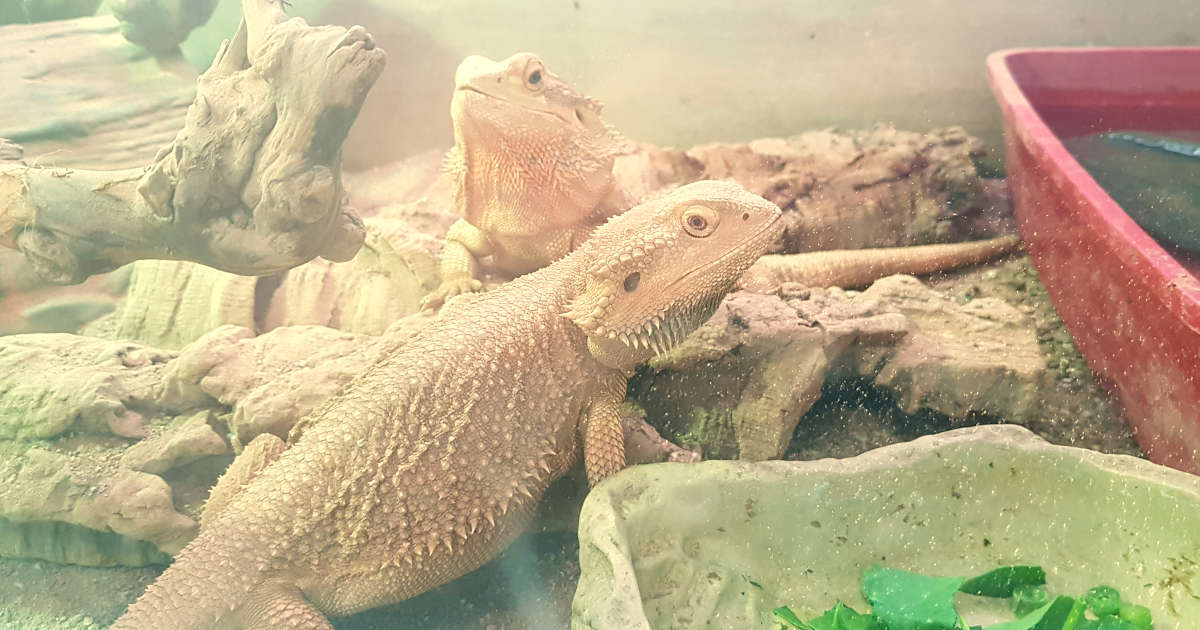
Adopting a bearded dragon from a rescue organization or shelter can be incredibly fulfilling. You’re offering a second chance to an animal that may have been neglected, surrendered, or simply outgrown by previous owners.
Providing a chance for a bearded dragon to get its forever home with you has its appeal. However, you might not have enough detailed background information available to know what you are in for (which can include some serious vet bills). If it has previously been neglected or given poor care then you could be opening yourself up for a variety of health conditions about to manifest themselves. If you have experience with reptiles then that could be fine, otherwise you can be a guardian angel a little later when you know what you are up for.
| Aspect | Considerations |
|---|---|
| Health Assessment | Evaluate the bearded dragon’s body condition: not too thin, not overweight. Check for clear eyes, intact scales, and normal breathing. Inquire about recent veterinary history, known health issues, and overall medical background. |
| Reason for Rehoming | Ask for any history on the bearded dragon. Consider factors like lack of time or changing circumstances that may have affected the bearded dragon’s care. Gather information about the current habitat, feeding schedule, and dietary variety. |
7 Point Checklist for Buying a Bearded Dragon
When you find the bearded dragon you are looking to buy, visually inspect it. While you are checking, keep in mind who will be keeping the animal (e.g. children or adults) and any future plans on where you would like to go with your bearded dragon.
Here is a comprehensive checklist to guide you through the key health indicators and potential concerns you should be aware of:
| Aspect | What to Look For | Potential Concerns |
|---|---|---|
| 1. Weight and Body Condition | A balanced physique, your new beardie should be neither too thin nor overweight. | Malnutrition or obesity in bearded dragons can lead to serious health issues. |
| 2. Skin and Scales | Skin and scales should be intact, with no signs of infections, injuries, stuck shed around toes or tail, or irregular lumps or bumps. | Presence of parasites or infections can significantly affect overall health. |
| 3. Respiratory Function | Clear nostrils, a clean mouth, and steady, easy breathing are all good signs. Listen for any unusual sounds like wheezing or labored breathing. | Difficulty breathing, wheezing, or mouth sores could be early signals of respiratory infections, which should be addressed promptly. |
| 4. Hygiene (Vent Area) | The vent should be clean and free from any signs of waste or infection. | Poor hygiene can lead to infections and hygiene-related issues. |
| 5. Appetite and Digestive Health | A regular appetite and well-formed feces are great indicators of good digestive health. Keep in mind that a healthy bearded dragon may eat less during brumation, when gravid or even shedding. Find out what foods it has been eating. A varied, balanced diet is best. | Changes in eating habits, unusual stool consistency, or a lack of interest in food can point to underlying digestive or health concerns that may need attention. Feeding an inappropriate diet can increase health risks, including bacterial infections and weight issues, so it’s important to choose safe and nutritious foods. Inappropriate diet choices including regularly feeding mice can increase the risk of disease (Salmonella, Campylobacteriosis) and weight problems. |
| 6. Tail and Digits | Check for missing portions of tail, toes, or feet. Such conditions do not prohibit purchase but may require special care. | Missing limbs or tail parts can indicate previous poor living conditions. Causes include: • Aggression from cohabitants: the bearded dragon might have been housed with other animals or even their own kind leading to fights or attacks. • Shedding complications: incomplete sheds, constricting circulation to extremities and potentially causing them to fall off. • Unsafe housing accessories: Certain substrates or enclosure decorations can catch and injure a bearded dragon’s toes or tail, leading to amputation or self-amputation. |
| 7. Behavior | An alert, curious bearded dragon that interacts with its surroundings is generally in good shape. | A lack of interest or low activity levels may suggest health or wellbeing challenges that could need further investigation. |
Questions to Ask a Seller when Buying a Bearded Dragon
Here is a downloadable checklist of some important questions to ask a seller when considering buying their bearded dragon whether they are a private seller, pet shop, adoption agency or breeder.
How Old is that Bearded Dragon you are Looking to Buy?
When buying a bearded dragon it is natural to want to know its age, but it can be hard to tell. If you can, get a bearded dragon at an age that suits the level of care you can give it.
Babies and juveniles are relatively easy to assess, at least within a period of how many weeks or months old they are.
Figuring out the age of a fully grown bearded dragon can be challenging for multiple reasons including individual growth rates, genetics, and the conditions under which the dragon has been kept. Unlike some animals where physical features can be more directly correlated with age, bearded dragons do not have universally reliable age markers after reaching adulthood.
Some aspects that may provide clues to a bearded dragon’s age include:
| Aspect | Description |
|---|---|
| Size and Growth | Size is not a definitive measure of age but can give a general indication. Of course the size of an adult bearded dragon is expected to be larger than a juvenile. However, a bearded dragon kept with others could well be under developed. |
| Femoral Pores | The development and prominence of femoral pores can indicate sexual maturity, which indicates that it has reached sexual maturity. |
| Physical Condition and Wear | Signs of wear such as the condition of the teeth might give some indication of age. A veterinarian might observe certain wear on the teeth or other age-related changes, but these are often quite subtle and subject to individual variation. |
| Behavioral Traits | Older bearded dragons might display different behavior patterns compared to younger ones, such as lower activity levels or different social interactions, but these are also influenced by individual personality and health. |
Your vet might provide be able to give you some idea of age based on a combination of physical examination and knowledge of bearded dragon growth and health patterns.
Pet Guranatee & Initial Vet Checkup
So you are about to buy a bearded dragon! Just before you take the leap, ask for a pet guarantee.
I am sure you are no different to the rest of us, once you have your new pet home you are going to fall in love with it. So what you don’t want happening down the track is to find out that your new bearded dragon succumbs to something terrible that has been bubbling away in the background.
Of course you really should take your new pet to a vet instills confidence in the buyer, confirming that they are bringing home a pet that has undergone thorough evaluation and been deemed healthy.
Ask for a solid guarantee that once you have bought your bearded dragon that you have up to 2 weeks to return it should it fail a vet check. And, that’s exactly what you should do, go to the vet.
Even if your new bearded dragon appears healthy, a vet exam can uncover hidden concerns and establish a baseline for their long-term health. A vet can guide you on proper diet, heating and lighting requirements, and help you understand what’s normal in terms of behavior and activity levels.
Some obvious signs of health issues include lethargy, loss of appetite, or unusual behaviors.
A pet guarantee demonstrates the seller’s dedication to delivering healthy, happy pets and can foster trust in your relationship.

Cost of Ownership
Initially buying a bearded dagon is the least of the costs of ownership. When considering buying a bearded dragon look at the costs of ownership and providing proper care. Ongoing costs include:
| Aspect | Description |
|---|---|
| Setup | Here is a handy calculator for identifying the costs of bearded dragons including setup. |
| Feeding | Bearded dragons have a diverse diet comprising insects, vegetables, and occasional fruits and its age will be the deciding factor in what it needs. |
| Habitat Maintenance | Proper lighting is necessary for bearded dragons to metabolize calcium and maintain overall health. Bearded dragons need lighting and heating, including UVB lights which need to be replaced every 6 to 12 months. |
| Electricity | Here is a handy calculator to work out the cost of electricity to keep a bearded dragon. |
| Veterinary Care | Biannual to annual vet visits help you keep everything on track and better than (plus cheaper) dealing with emergency visits that could be avoided by keeping regular vet visits. |
Buying a Bearded Dragon: Wrapping things Up
We covered the things like where to buy a bearded dragon, the cost of owning one, and even asking for an initial health guarantee.
The quality of answers we get from sellers will depend on the quality of question we ask. You want a clear picture of its history, personality, and overall health. This extra effort up front helps set both you and your future companion up for success—making those first weeks together smoother, more enjoyable, and a whole lot less stressful.
If you are not sure that a bearded dragon is for you, perhaps you would prefer a leapord gecko which can be easier to care for.
Well, it was great to speak with you and I hope your new pet brings you much joy.
References
- Doneley, B., Monks, D., Johnson, R., & Carmel, B. (2018). Reptile Medicine and Surgery in Clinical Practice. Wiley Blackwell.
- CDC. (2024, April 17). Reptiles and Amphibians. Healthy Pets, Healthy People.